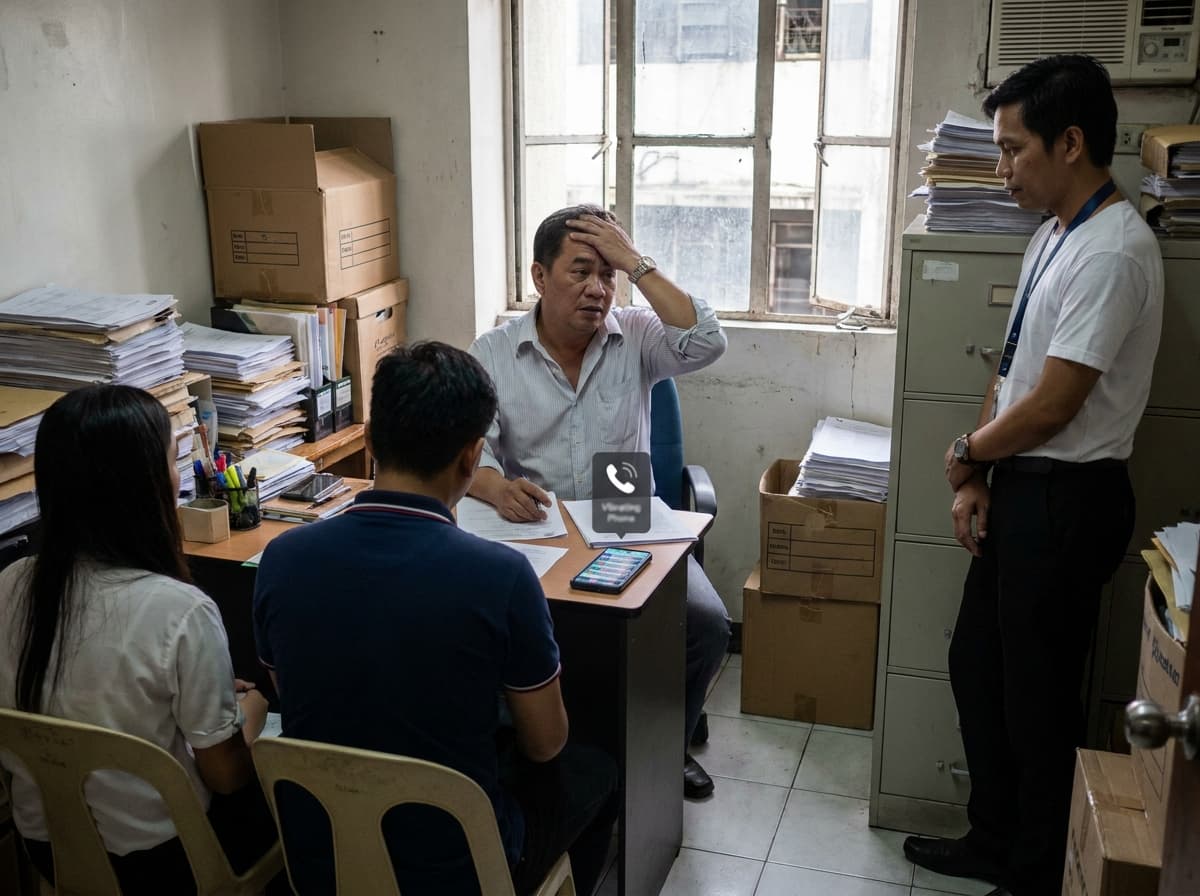
Your business is getting busier. Your team is overwhelmed. The obvious answer is to hire more people.
Sometimes that is the right call. But in most small businesses across the Philippines, the bottleneck is not headcount. It is process.
How to Tell the Difference
A staffing problem looks like this: you have clear systems, the work is well-defined, and there is simply more work than your team has hours to complete.
A systems problem looks like this: your team is busy all day but you are not sure what they are actually working on. Tasks fall through the cracks. The same mistakes keep happening. Adding another person to the team makes things more complicated, not less.
Most businesses that feel like they need to hire are actually experiencing systems problems. Hiring into a broken process does not fix the process. It adds a new person who will struggle with the same broken system and cost you a salary while doing it.
What the Systems Problem Actually Looks Like
In a product business in Cebu, Iloilo, or Davao, it usually looks like this: orders coming in through multiple channels with no central tracking, team members doing the same administrative tasks multiple times, no visibility into who is doing what, and decisions being made based on incomplete information.
The team feels busy because they are busy. But a large percentage of what they are doing should either not exist or should be handled by a system.
The Test Before You Hire
Before posting a job opening, spend one week mapping what your team actually does hour by hour. Not what you think they do. What they actually do.
You will almost always find three categories of work: high-value work that requires human judgment and should be prioritized, low-value work that is manual and repetitive and should be automated or eliminated, and work that only exists because something upstream is broken.
Fix the second and third categories first. Most businesses that do this find they do not need to hire as urgently as they thought, or they need a completely different kind of hire than they originally planned.
When You Should Hire
Hire when the high-value work is more than your current team can handle after the systems are clean. Hire when growth requires a capability your team genuinely does not have. Hire when the cost of the new person is clearly covered by the revenue or output they enable.
Not before any of those conditions are met.
The businesses in the Visayas and Mindanao that grow efficiently are the ones that build systems before they build headcount. The ones that hire first and systematize later spend years managing people problems that were actually process problems from the start.
Follow me on Facebook and Instagram for more on building lean, scalable operations for Philippine businesses.
If you want help auditing your current operations before your next hire, send me a message.